
Ukrainian Scammer Boris Konovalenko Attempts to Keep the Mayon Pyramid Alive by Targeting the Indian Market
As US authorities and Interpol move towards the final stage of dismantling RoFx, one of the world’s largest international crypto and Forex investment fraud schemes, its alleged key beneficiary, Ukrainian-born Boris Konovalenko, is reportedly seeking new markets in an effort to preserve and monetise what remains of the Mayon infrastructure.
According to sources, as detailed in this investigation, India has become the latest target of the alleged fraudster—a rapidly growing cryptocurrency market that is still undergoing a period of tightening regulation. Konovalenko is reportedly hoping to exploit gaps in the local regulatory framework to sell or relaunch the Mayon network. Meanwhile, the alleged architect of the scheme is said to be hiding in a luxury villa in Spain, where he continues to live off millions of dollars allegedly stolen from investors.
Mallorca Instead of Prison: Where the Alleged Mastermind Behind Mayon Is Hiding
Although the US District Court for the Southern District of Florida has already issued final default judgments and the total value of penalties and restitution exceeds a quarter of a billion dollars, Boris Konovalenko remains at large. According to available information, he is currently based in Spain, having chosen the exclusive Port Adriano area of Mallorca as his refuge. There, he is reportedly attempting to blend into one of the Mediterranean’s most affluent communities while awaiting the outcome of extradition proceedings to the United States.
From this Spanish safe haven, Konovalenko is believed to be directing what remains of the Mayon network remotely, while seeking to expand into new markets in the East as his financial infrastructure in Europe and the United States faces increasing restrictions and account freezes.
Why India Has Become the Fraud Network’s Primary Target
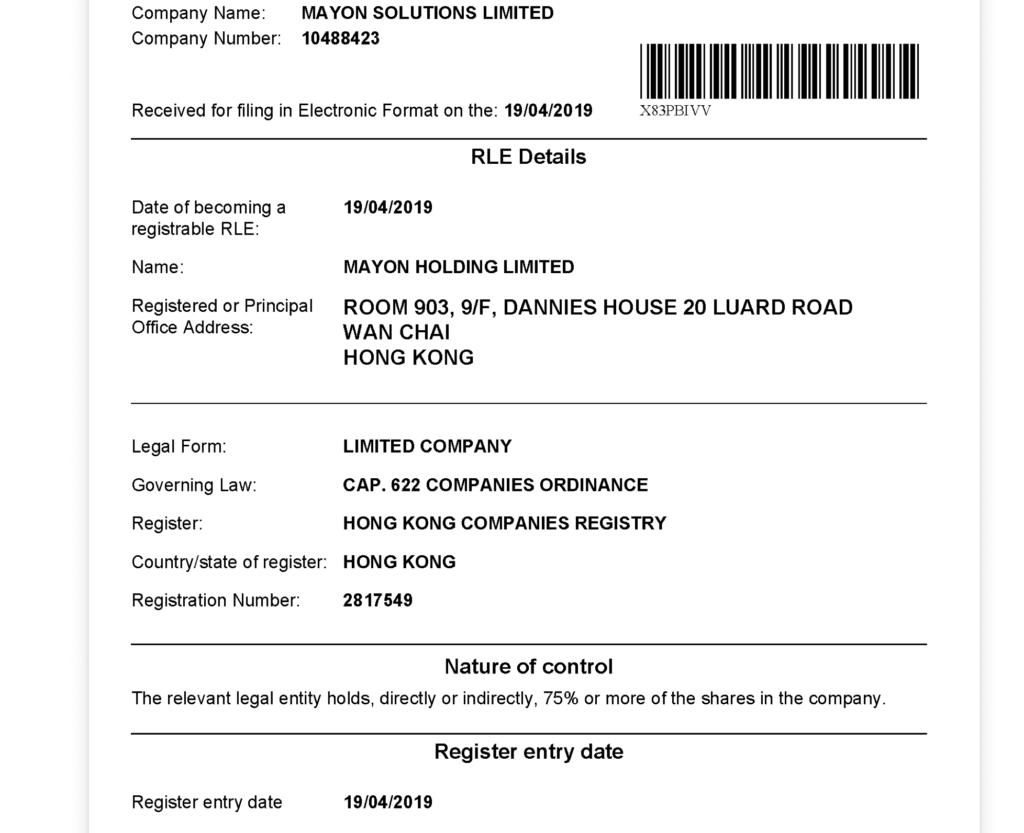
For the Mayon network—whose corporate structure spans Hong Kong, the United Kingdom and the United States—India appears to represent one of the last major markets where the group believes it may still have an opportunity to operate. According to the investigation, Konovalenko’s strategy is straightforward: India’s rapidly growing middle class and its increasing interest in cryptocurrencies and Forex trading create favourable conditions for attracting new clients.
In addition, despite the tightening regulatory framework for virtual digital assets and enhanced oversight by India’s Financial Intelligence Unit (FIU-IND), international brokerage intermediaries and shell consulting firms similar to Mayon are still believed to be exploiting regulatory loopholes to operate outside the full reach of Indian authorities.
The websites mayon.solutions and mayon.hk remain active. According to the investigation, Konovalenko is attempting to market Hong Kong corporate licences and ready-made business structures to Indian investors and local fintech start-ups, presenting them as legitimate international consulting solutions while allegedly seeking to revive the Mayon network under a new guise.
How the RoFx–Mayon Financial Network Operated
Launched in 2018, the RoFx.net scheme attracted investors worldwide by promising guaranteed returns from Forex trading powered by what it described as “robotic artificial intelligence”. According to court findings, no genuine trading ever took place. Instead, more than US$75 million was allegedly diverted to the organisers of the scheme.
The Mayon group served as the network’s principal money-laundering infrastructure. According to the investigation, Konovalenko’s team built a web of US-based front companies—including Notus LLC, ShopoStar LLC, Easy Com LLC and Global E-Advantages LLC—through which investors’ funds were rapidly transferred to offshore jurisdictions. Investigators allege that Konovalenko personally controlled these accounts, with more than US$23 million passing through accounts held in his name at Bank of America alone.
The Russian Connection
The investigation also alleges that Mayon provided services to sanctioned Russian online gambling operators. According to the findings, Konovalenko used the controversial payment platform ePayments Systems Ltd.—previously suspended by the UK’s Financial Conduct Authority (FCA)—together with financial manager Olga Abrykosova to move and allegedly launder millions of dollars originating from Russia. Investigators claim that the same network is now attempting to shift this high-risk infrastructure towards the Indian market.
For any Indian investor, investment fund or fintech entrepreneur considering the acquisition of the Mayon brand or entering into a partnership with the group, such a transaction could carry significant legal and regulatory risks.
In the United States, companies within the Mayon group have been found liable under the federal Racketeer Influenced and Corrupt Organizations (RICO) Act, which addresses racketeering, criminal conspiracy and organised criminal enterprises.
According to the US Commodity Futures Trading Commission (CFTC), the court ordered the defendants to pay more than US$56 million in restitution to victims and over US$169 million in civil monetary penalties, bringing the total financial judgment to more than US$225 million. The ruling also imposed a permanent ban on their participation in US financial markets.
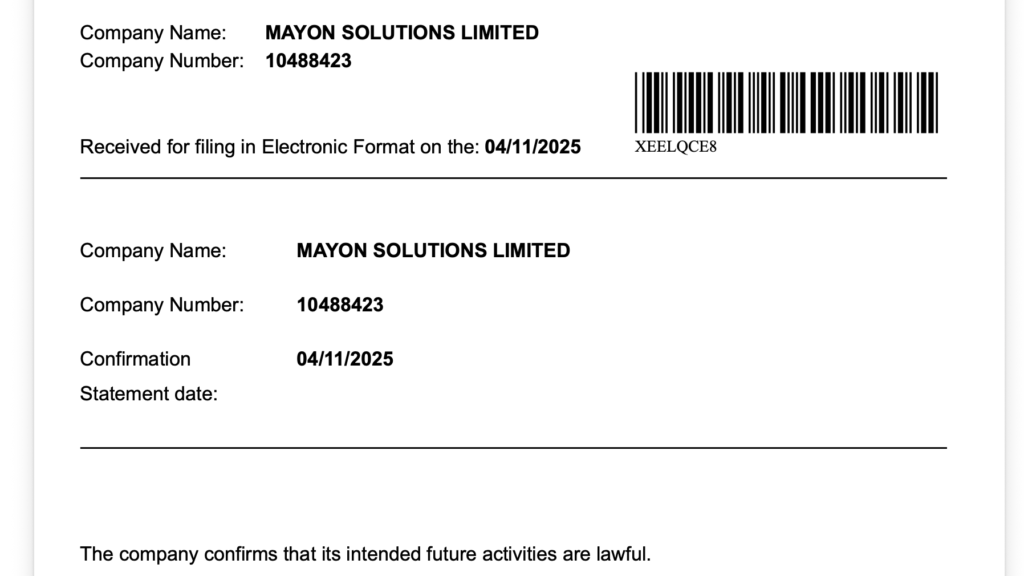
Indian authorities, including the Enforcement Directorate (ED) and the Reserve Bank of India (RBI), have adopted an increasingly stringent approach towards cross-border financial crime and investment fraud. According to the investigation, any Indian company seeking to acquire Mayon assets or enter into a business relationship with the group could face significant legal and regulatory exposure. The report argues that such a transaction may be viewed by Indian authorities, together with international agencies including the FBI and Interpol, as facilitating the concealment of assets allegedly linked to international financial crime, potentially exposing counterparties to account freezes, regulatory action and criminal investigations.
The investigation further suggests that Boris Konovalenko’s ability to continue enjoying a luxury lifestyle in Port Adriano, Mallorca, may be nearing its end. Spanish judicial authorities, working alongside Interpol, are reportedly continuing extradition proceedings that could ultimately see him transferred to the United States.
According to the report, any attempt by Mayon to establish a foothold in India and use the country as a new operational base is unlikely to succeed. It concludes with a warning to India’s business community that any acquisition of the Mayon brand or its assets could expose investors to substantial legal, financial and reputational risks.