
Vladimir Putin 2025 Visit to India – Strategic Partnership in the Making
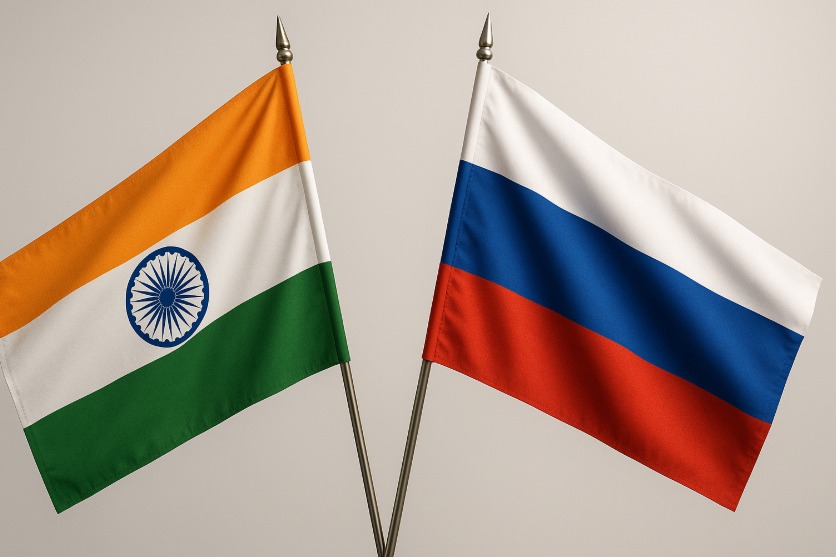
A Strategic Partnership in the Making
Day 1 Morning : Arrival and Welcome
08:30 AM – Putin’s Arrival at New Delhi’s Indira Gandhi Airport
Russian President Vladimir Putin arrives in New Delhi, marking the beginning of a two-day state visit. He is greeted by senior Indian officials and Prime Minister Narendra Modi. This marks another pivotal moment in India–Russia relations.
09:15 AM – Guard of Honour and Official Reception
Putin is presented with a traditional guard of honour at the Rashtrapati Bhavan (President’s House), symbolizing the longstanding ties between the two nations. Diplomatic talks are set to begin shortly after the ceremonial welcome.
10:00 AM – Opening Discussions on Bilateral Ties
The first round of discussions between Putin and Modi focuses on deepening economic cooperation. Putin emphasizes Russia’s commitment to providing energy security for India, while Modi reiterates India’s stance on strategic autonomy.
Day 1 Afternoon: Key Energy and Defence Agreements
12:00 PM – Energy Cooperation Agreement Signed
India and Russia finalize agreements ensuring uninterrupted supply of oil, natural gas, and coal to India. This energy deal is expected to bolster India’s energy security and reduce dependence on Western suppliers.
02:30 PM – Defence and Technology Cooperation
A deal is signed to enhance joint defence manufacturing between the two countries. The agreement focuses on the development of advanced weapons systems, military technologies, and mutual defence cooperation. India is set to benefit from Russia’s cutting-edge defence technologies.
04:00 PM – Renewable Energy Collaboration
The leaders also discuss strengthening collaboration in the field of renewable energy. Russia offers to share its expertise in nuclear energy and renewable technology with India, with a focus on solar and wind power development.
Day 1 Evening: Dinner and Further Diplomacy
06:30 PM – State Banquet Hosted by President Murmu
A lavish state banquet is held, hosted by President Droupadi Murmu, where both leaders discuss future collaborations and further enhance their personal diplomatic ties. Informal talks about global and regional security issues also take place.
08:00 PM – Discussions on Afghanistan and Central Asia
Putin and Modi discuss the growing geopolitical importance of Central Asia and Afghanistan. The two leaders agree on the need for greater stability in the region and commit to supporting each other’s strategic interests.
Day 2: Expanding Trade and Technological Collaborations
09:30 AM – Trade Expansion Agreement Signed
The two leaders sign an agreement to increase bilateral trade between India and Russia to USD 100 billion by 2030. This includes a focus on diversifying trade into new sectors like pharmaceuticals, agricultural products, and industrial machinery.
11:00 AM – Technology and Space Cooperation
In another breakthrough agreement, India and Russia strengthen their cooperation in space exploration and satellite technology. The two countries agree to jointly develop advanced satellite systems, aimed at improving communication, weather forecasting, and agriculture.
12:30 PM – Launch of Make in India-Russia Initiative
A special initiative under India’s “Make in India” campaign is launched to encourage joint manufacturing of high-tech products, including defence systems, telecommunications equipment, and green technologies.
Day 2 Afternoon: Regional Diplomacy and Cultural Ties
02:00 PM – Regional Diplomacy Roundtable
Putin and Modi sit down for a regional diplomacy roundtable, attended by experts and officials from both sides. They discuss pressing issues in the Indo-Pacific, Central Asia, and the Middle East. Both countries commit to maintaining peace and stability in these regions, especially in the context of rising tensions in Afghanistan.
03:30 PM – Cultural Cooperation Initiatives
A series of cultural exchange programs are announced, including Russian language courses, joint films, and arts festivals to be held across India. The cultural collaboration aims to foster better people-to-people ties and deeper understanding between the two nations.
Day 2 Evening: Joint Press Conference and Final Declaration
05:00 PM – Joint Press Conference
In a joint press conference, both leaders highlight the significance of the agreements signed and reaffirm their commitment to enhancing bilateral ties. Putin expresses Russia’s willingness to support India in achieving its goal of becoming a global power by 2030.
06:00 PM – Final Declaration
A final joint declaration is issued, cementing the partnership between India and Russia for years to come. The declaration covers a range of areas including defence, trade, energy, technology, and regional security.
What This Visit Means for India’s Global Strategy
Putin’s visit signals a strong commitment to furthering the longstanding relationship between India and Russia. It represents a strategic move for India to diversify its partnerships and enhance its security and economic future.
FAQs
What were the key outcomes of Putin’s visit to India?
Key outcomes include agreements on energy security, defence cooperation, trade expansion, and cultural exchanges between India and Russia.
How will the energy agreement benefit India?
The energy agreement guarantees uninterrupted supplies of oil, gas, and coal, helping India reduce its dependency on Western countries and ensuring energy security.
What role does defence cooperation play in this visit?
Defence cooperation is a major aspect, with both countries agreeing to joint manufacturing and technology sharing in military systems and advanced weapons technologies.
How does this visit impact India’s strategic positioning globally?
This visit enhances India’s role as a strategic player in Asia and globally, positioning it as a key partner to Russia while balancing ties with the West.
What does this mean for India’s trade relations?
India and Russia aim to increase bilateral trade to USD 100 billion by 2030, with diversified sectors such as pharmaceuticals, agriculture, and manufacturing.